
Every October I would finish up whatever SPF I had left, tell myself I would pick up a new bottle soon, and then not do it until April. It was not laziness, exactly. It was more that the products I had tried all came with a compromise I was not willing to make during the months when getting out of the house already felt like a project. One left a white film that made my face look pale in indoor lighting. One went on fine but sat heavy under any powder, so my skin looked caked by noon. One stung around my eyes on cold mornings when my skin was already a little irritated. None of them made me feel like I was doing myself a favor by putting them on. The fix, when it finally came, was a tinted mineral sunscreen, but it took me an embarrassingly long time to get there.
I want to be clear about something: I know skipping SPF in winter is not actually fine. UV exposure happens year-round. Cumulative sun damage does not take a seasonal break. I had heard this from every dermatologist I had seen, and I believed them. I just could not make the habit stick when every product I tried felt like a small punishment at seven in the morning.
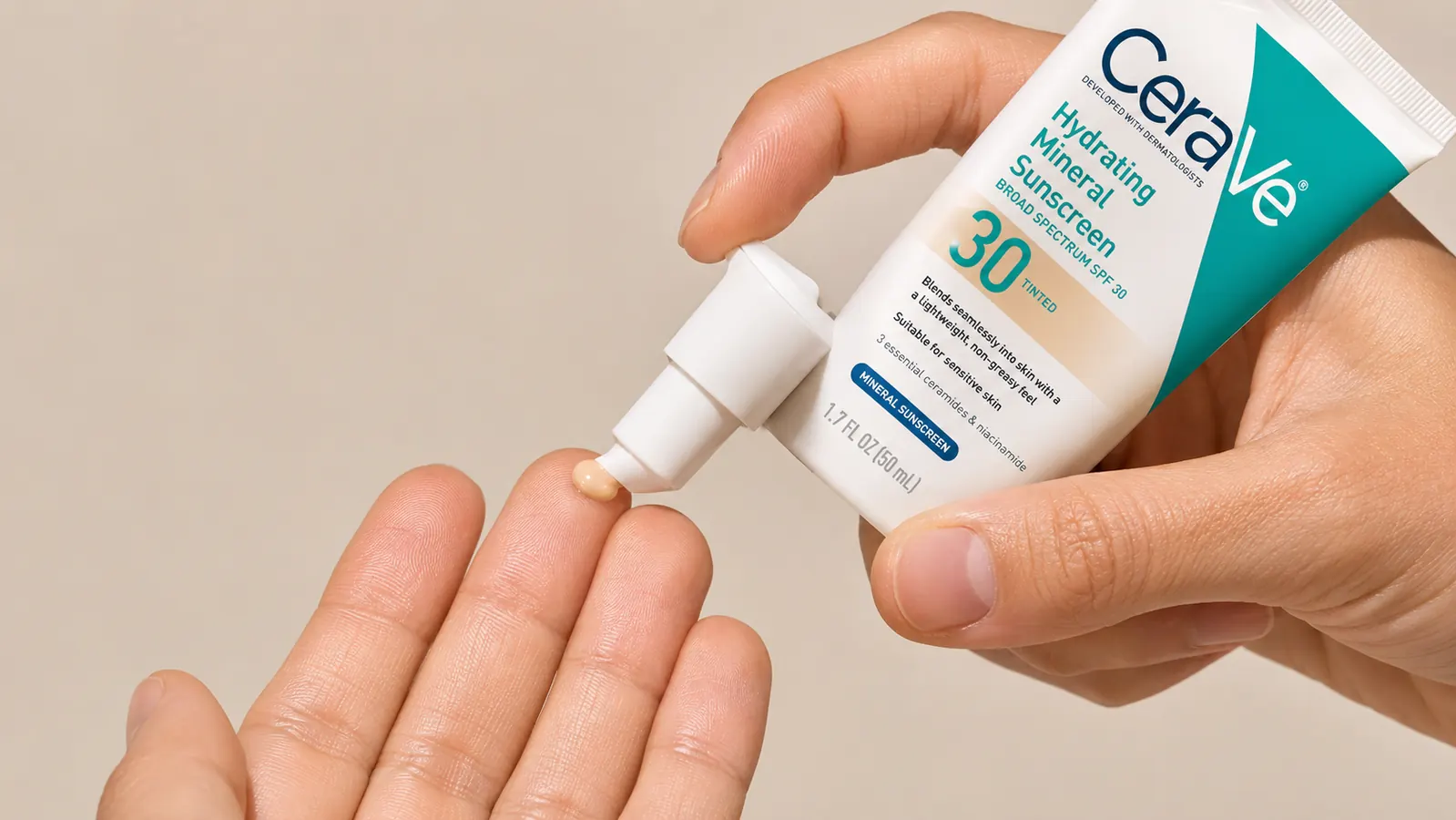
A coworker who buys skincare the way I used to buy it, meaning practically and without much ceremony, mentioned she had been wearing a tinted mineral SPF every day since September and had stopped thinking about it. That phrase stopped thinking about it was the thing that caught my attention. I asked what she was using. She pulled a small tube out of her bag and handed it to me. The packaging was plain, the tube was light, and she said it had been sitting quietly in her routine for months without causing any problems.
I ordered it that night. I was not expecting much, honestly. My track record with daily SPF was poor and I had learned not to get optimistic before I had actually worn something through a full workweek.
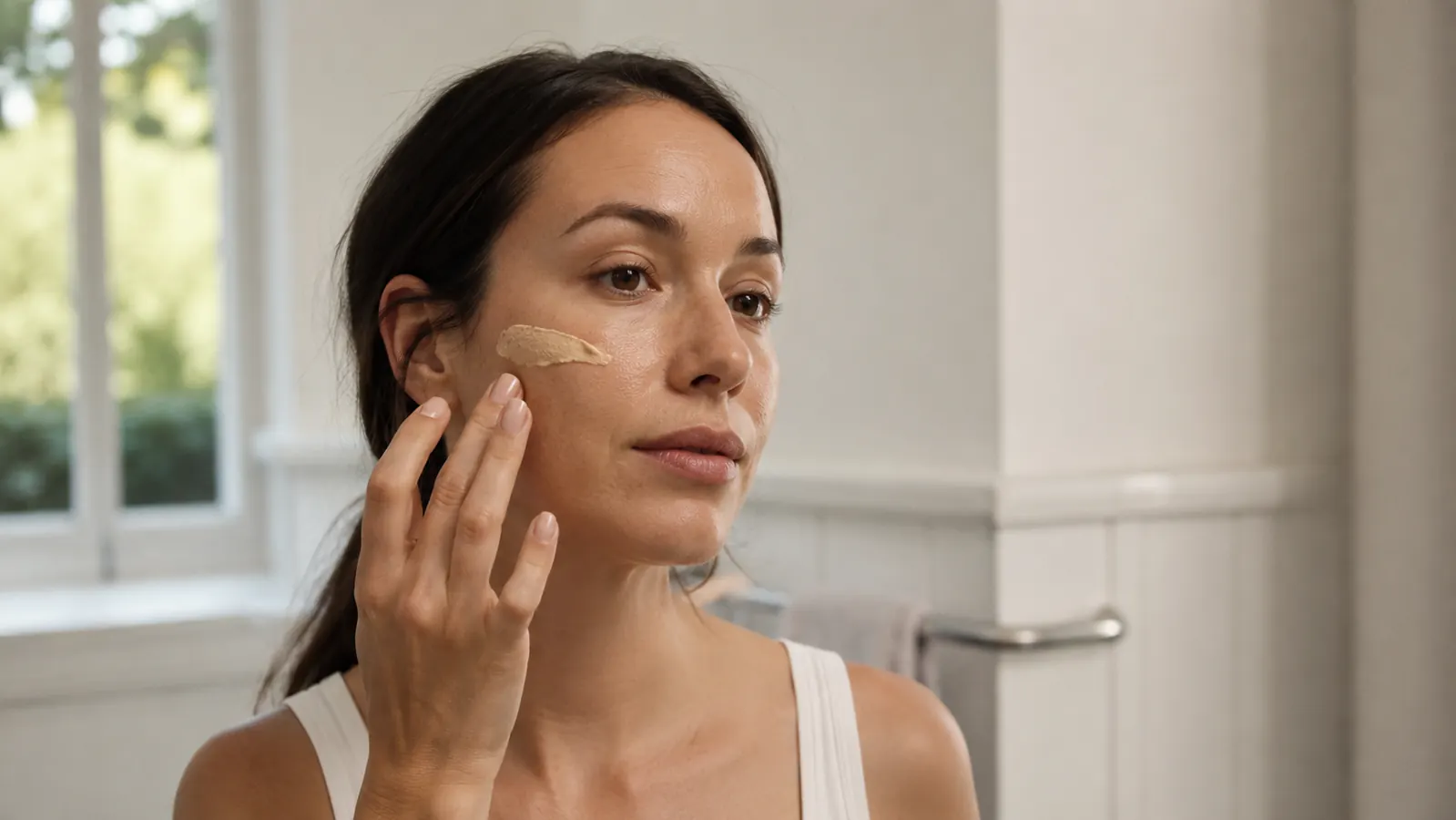
The first morning I tried it, I noticed two things right away. First, the texture was genuinely thin. Not thin in the way some brands describe a heavy product to make it sound appealing, but actually thin, almost like a lightweight moisturizer with a slight tint. Second, there was no white cast. I pressed a small amount onto my face with my fingers, blended it in about thirty seconds, and looked in the mirror expecting to see the usual pale film. I did not see one. My skin looked like my skin, a little more even, a little less red in the spots that are always a little red, but not covered or altered in any obvious way.
There was no white cast. My skin looked like my skin, a little more even, a little less red, but not covered or altered. I looked in the mirror and thought: I can do this every day.

I wore it to work. By midday I had forgotten I was wearing it. That had never happened to me with a mineral SPF before. Mineral formulas tend to have a heavier feel than chemical ones, and I had assumed that was just the trade-off you accepted if you wanted to avoid oxybenzone and octinoxate. This one did not feel heavy. It settled into my skin and stayed there without getting greasy or patchy the way some SPFs do when they mix with your natural oils by afternoon.
The mineral SPF that finally made daily sunscreen a habit worth keeping
The CeraVe Hydrating Mineral Sunscreen SPF 30 with Sheer Tint has over 71,000 reviews on Amazon. It sits at the top of my morning routine now, between moisturizer and nothing else.
Amazon Check Today's Price on Amazon →What I have come to appreciate about the CeraVe formula specifically is that it was designed to do more than just block UV. It contains zinc oxide as the active ingredient, which sits on the surface of the skin and physically deflects UV rays rather than absorbing and converting them the way chemical filters do. For my skin, which is combination and runs sensitive around the nose and chin in cold weather, that physical mechanism means less chance of irritation. Zinc oxide is one of the most well-tolerated sunscreen ingredients there is.
The tint itself is light, not a coverage foundation. On my skin tone, which is a medium neutral, it blends to nearly nothing. I know the tint will not work seamlessly on every skin tone, and that is worth saying plainly: this is a sheer tint, not a shade-matching product. If your skin is significantly deeper than medium, the tint may read lighter on you than on me. The iron oxides in the formula do add a small amount of protection against visible light and high-energy visible light from screens, which is genuinely useful if you spend most of your day indoors.
The ceramide content matters to me because my skin loses moisture faster in winter. Ceramides are lipids that help hold the skin barrier together, and having them in a sunscreen I am wearing every day means I am supporting that barrier even on the step that usually just sits on top. It is a small thing, but it adds up over weeks.
I have worn this sunscreen through the grey stretch of November and into December. I have worn it on bright cold days and on overcast days when the UV index was technically low. I have worn it under a fleece before a long walk and over a niacinamide serum before a full day at a desk. It has not pilled. It has not stung. It has not made my skin look strange in any lighting I have encountered. My habit finally stuck, and it stuck because the product did not ask much of me in exchange.
What I'd Tell You If We Were Sitting at My Kitchen Table
If you have been skipping daily SPF because every formula you have tried has felt like a compromise, I would tell you that this one is genuinely different in its category. It is not perfect for everyone. The tint has a limited shade range, reapplication over powder is still awkward the way it always is with mineral formulas, and the SPF 30 rating is adequate for everyday use but not for prolonged outdoor exposure. Those are real limitations and I would not pretend otherwise. What I would tell you is that for a routine that needs to happen every morning before coffee, before the commute, before everything else, the CeraVe tinted formula earns its place by staying out of the way. For a full breakdown of the formula and a direct comparison with a pricier dermatologist-office option, the long-term review and the EltaMD comparison have everything you need to make a clear decision.
Affordable, SPF 30, no white cast, and ceramides for good measure
This is the one I keep going back to. At the current price, it is easy to try without committing to much.
Amazon Check Today's Price on Amazon →