
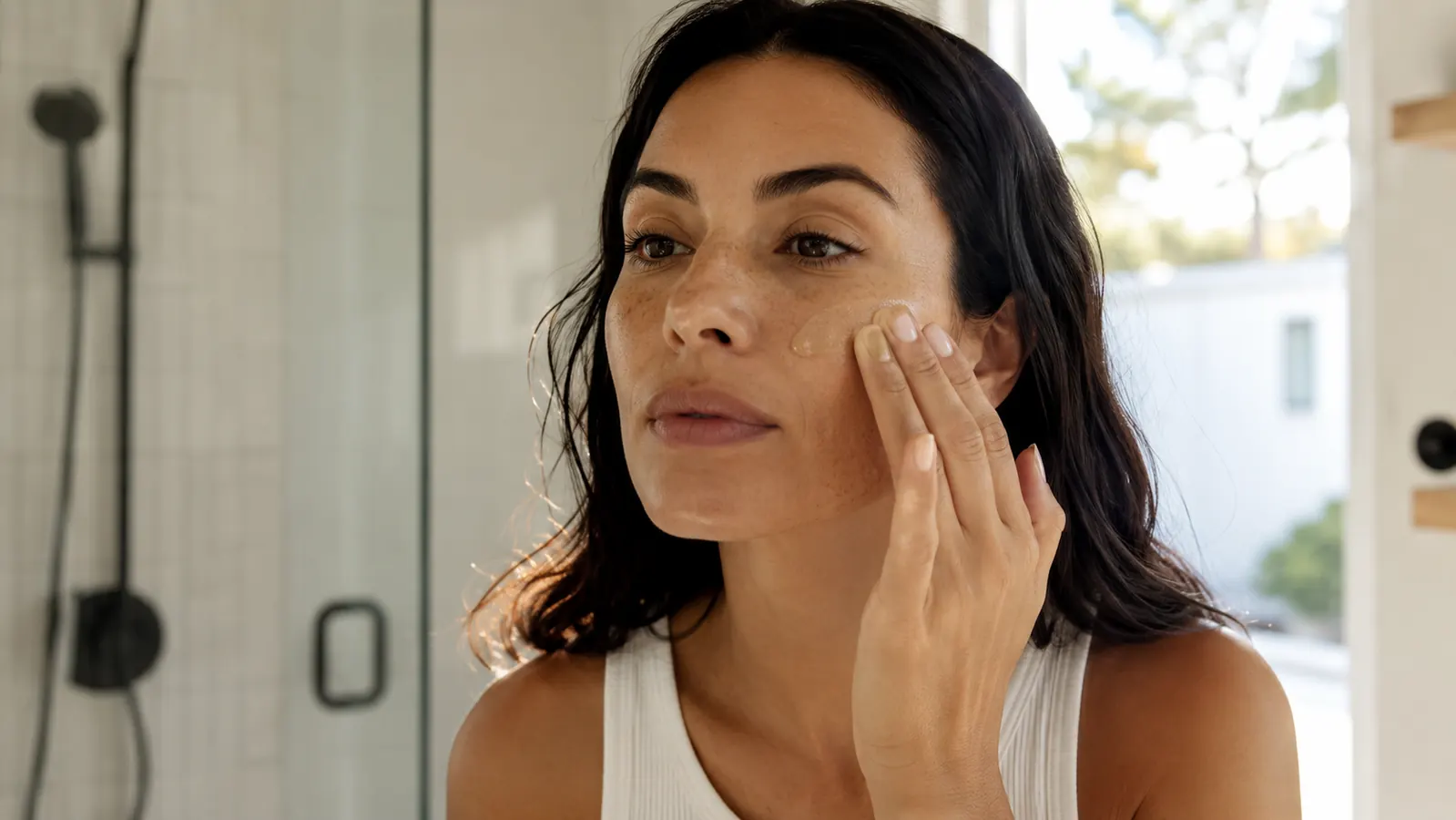
For years I assumed all sunscreen worked the same way. You rub it in, it protects you, done. Then I started paying attention to why my face turned blotchy and tight within an hour of applying certain SPFs. The culprit was almost always the filter type. Chemical sunscreens absorb UV energy and convert it into heat inside the skin, which is fine for most people and a reliable irritant for those whose skin runs reactive. Mineral sunscreens work differently. They sit on the surface and deflect UV before it enters the skin at all. Once I switched to a mineral formula, specifically the CeraVe Hydrating Mineral Sunscreen SPF 30 Tinted, the reactions stopped.
Below are the ten reasons I think mineral SPF is the better default for anyone with sensitive, reactive, or easily flushed skin. Each one comes from something I noticed firsthand, or from the formulation logic behind why the ingredients behave differently on skin that does not tolerate much.
Tired of sunscreen that stings? This one is formulated for skin that reacts.
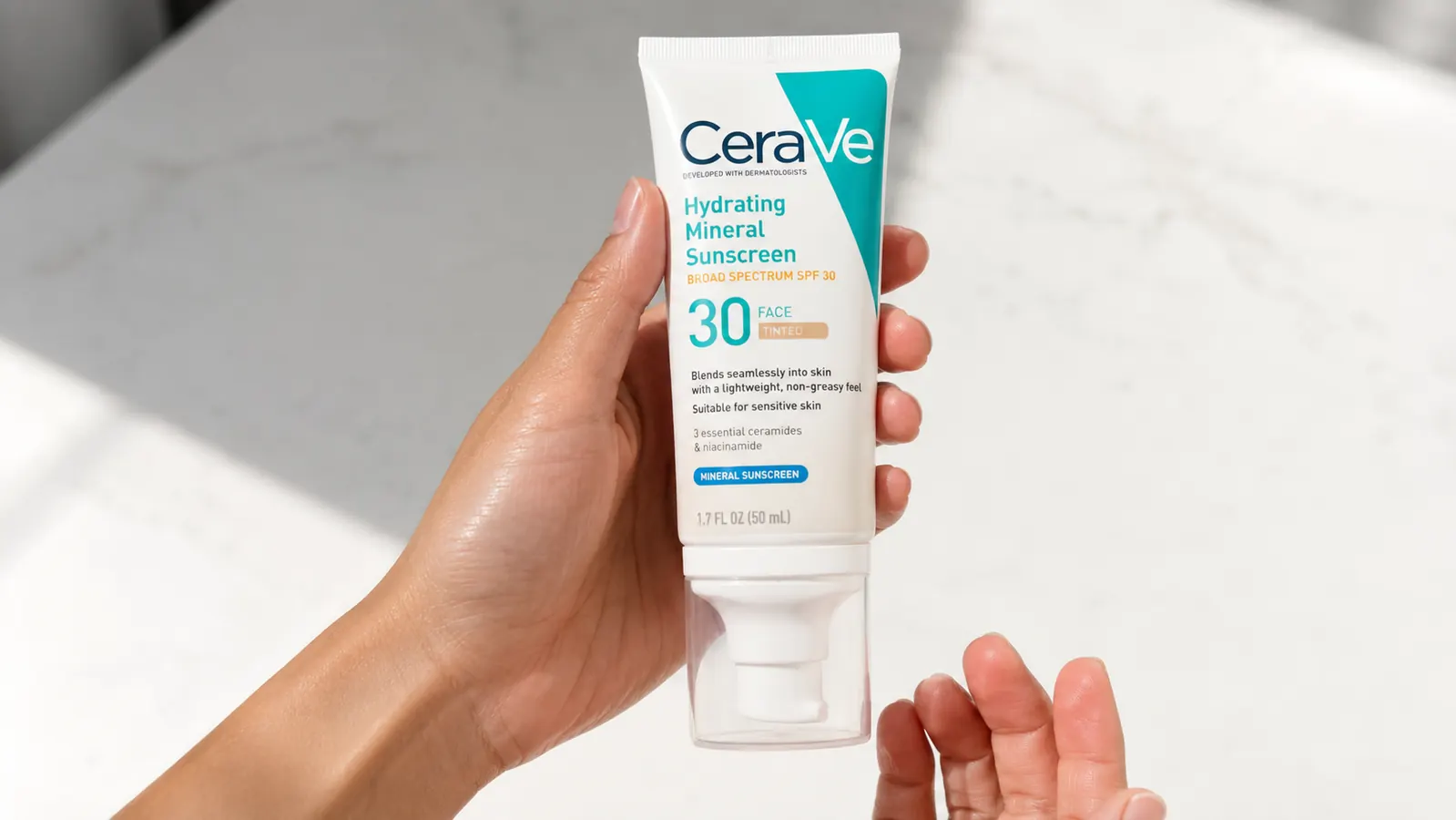
The CeraVe Tinted Mineral Sunscreen SPF 30 uses zinc oxide as the sole active, adds ceramides and hyaluronic acid to support the barrier, and leaves a natural tinted finish that works as a light corrector. Over 71,000 Amazon reviews and a 4.4-star rating. Worth checking out if chemical formulas have not worked for you.
Amazon Check Today's Price on Amazon →The Active Ingredient Sits on Top, Not Inside Your Skin
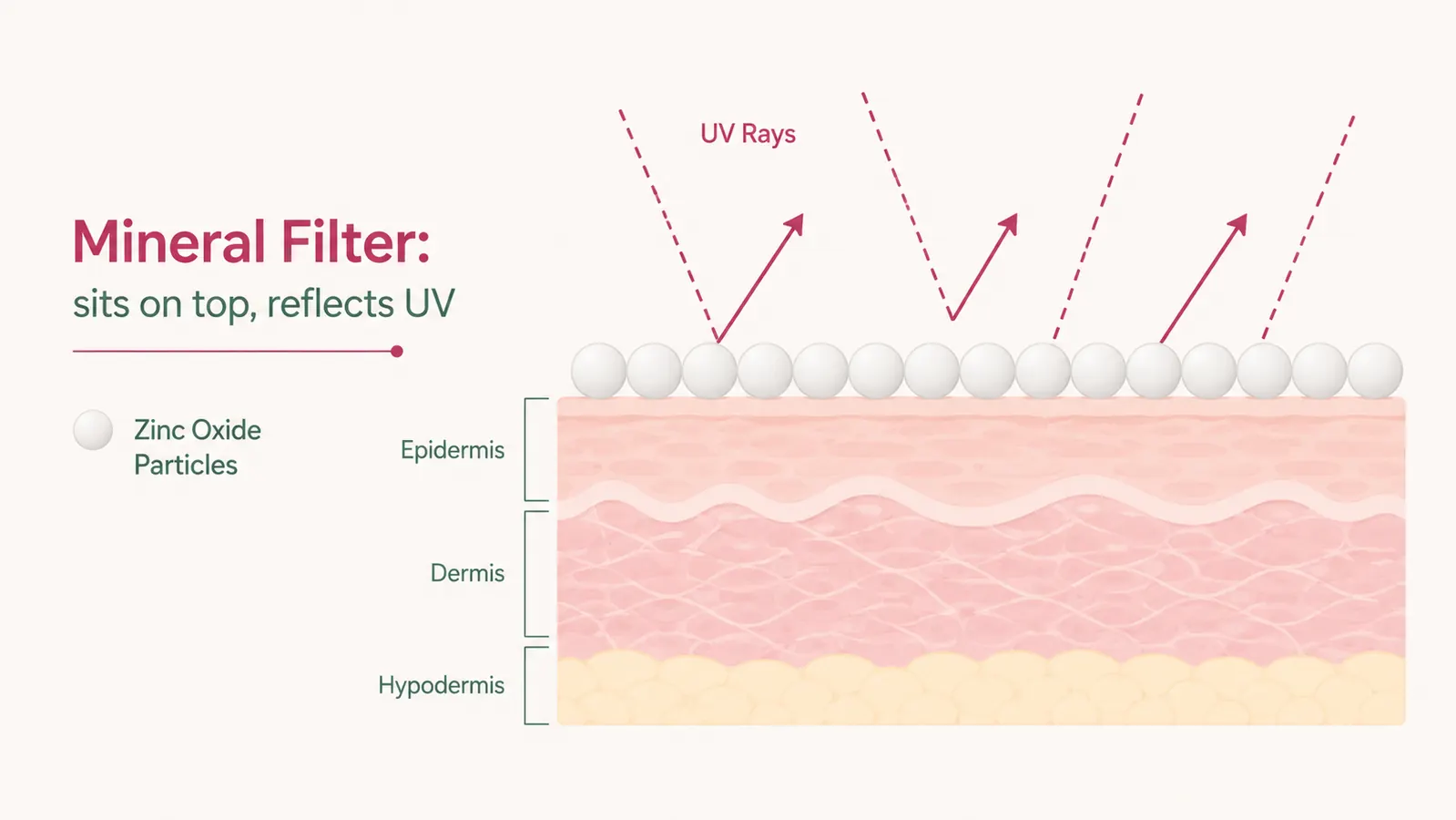
Zinc oxide, the active in most mineral sunscreens, does not penetrate the skin barrier. It physically deflects and scatters UV rays at the surface. For reactive skin, keeping an active ingredient outside the skin rather than inside it makes a real difference. Fewer ingredients crossing the barrier means fewer opportunities for a reaction to start.
No Heat Conversion Means No Flushing
Chemical filters like avobenzone and homosalate work by absorbing UV and releasing the energy as heat inside the skin. If you run warm or have rosacea-prone skin, that extra heat can trigger visible flushing within an hour of applying. Mineral filters skip the conversion step entirely. The UV bounces off before it becomes heat your skin has to manage.
It Works the Moment You Apply It
Chemical SPF needs about 20 minutes to bind to the skin before it is effective. Mineral SPF starts working on contact. For people who apply sunscreen right before stepping outside, that gap matters. The CeraVe tinted formula is ready to protect as soon as it is blended in.
Zinc Oxide Has a Low Sensitization Rate
Among active sunscreen ingredients, zinc oxide has one of the lowest known rates of skin sensitization. This is part of why mineral formulas appear in sunscreens marketed for babies, post-procedure skin, and anyone with a compromised barrier. It is a reliable choice when other SPF ingredients have caused problems.
The CeraVe Formula Adds Barrier-Supporting Ingredients
Most SPF-only mineral sunscreens stop at the active and a carrier. The CeraVe Hydrating Mineral Sunscreen includes ceramides 1, 3, and 6-II, plus hyaluronic acid. For skin that is already compromised or dry, having a moisturizer and a protectant in one step reduces the total number of things touching an irritated face each morning.
The Tint Neutralizes the White Cast Problem
The historical knock on mineral sunscreen is the white cast. Zinc oxide is white and opaque, which reads as gray or ashy on deeper skin tones. The CeraVe formula uses iron oxide pigments to add a universal sheer tint that blends into most medium skin tones and corrects the cast issue without becoming a full foundation. It is not a perfect match for very light or very deep tones, but it is more workable than an untinted zinc formula for daily use.
Iron Oxides Also Block Visible Light
UV is not the only radiation that contributes to hyperpigmentation. Visible light, particularly high-energy blue and violet wavelengths, can worsen melasma and post-inflammatory marks. Iron oxides, added to provide the tint, also absorb visible light in that range. So the same pigments that fix the white cast also extend protection beyond what the SPF number captures.

It Does Not Require a Separate Moisturizer
On days when my skin is irritated or I am cutting steps, one less product touching my face matters. The CeraVe formula hydrates well enough that I can skip a separate moisturizer in warm months. That is partly the ceramides and partly the texture, which is creamy rather than the watery-thin consistency of a lot of SPF formulas. Fewer steps also means less total ingredient exposure for a face that is already reacting.
It Is Fragrance-Free and Alcohol-Free
Both fragrance and alcohol are common irritants in sunscreen formulas. Fragrance is used to cover the chemical smell of filter ingredients. Alcohol speeds drying time. The CeraVe formula omits both. For sensitive skin, fragrance-free is not optional, it is a baseline requirement. The CeraVe formula passes that check without relying on 'unscented' masking agents that still contain fragrance compounds.
It Passes the Dermatologist Comfort Test
CeraVe formulates with dermatologist input and the brand is frequently recommended by dermatologists for sensitive and compromised skin. That is not a guarantee of efficacy for any individual, but it does mean the formula has been reviewed for common irritants and barrier-disrupting ingredients. At current price, it is one of the more affordable mineral SPF options that still carries that level of formulation credibility.
What I Would Skip
The CeraVe tinted formula is not right for every situation. If you have very fair skin and want a true invisible finish, the tint reads slightly warm and may sit oddly under certain makeups. It also has a creamy texture that can feel heavy in high humidity. On oily skin, it tends to break down and look shiny by early afternoon. I would not reach for this if I needed a true matte or if I planned to layer it under a full foundation. For those situations, a lighter untinted zinc formula or a hybrid SPF designed for oily skin would likely serve you better. I have a full breakdown of the finish and wear time in my detailed review if you want more specifics.
The reactions stopped the week I switched to mineral. I had attributed the redness to my skin being reactive by nature. It turned out I had just been using the wrong filter type for my face.
If chemical SPF has not been working, mineral is worth trying before you give up on daily sunscreen.
The CeraVe Hydrating Mineral Sunscreen SPF 30 Tinted is one of the few accessible mineral formulas that also addresses the white cast issue and layers in barrier-supporting ceramides. Over 71,000 ratings on Amazon, priced affordably most days, and fragrance-free. Solid entry point if you have not used a mineral SPF before.
Amazon Check Today's Price on Amazon →