

My skin has always leaned dry. Not flaky-dry, not cracked-dry, just that persistent tightness you notice an hour after washing your face, even when you have a moisturizer on. I had tried layering richer creams, switching cleansers, drinking more water. None of it addressed the tightness at the source. What I had not tried was adding a dedicated hyaluronic acid serum before my moisturizer. The CeraVe Hyaluronic Acid Serum with Vitamin B5 was recommended to me by a dermatology nurse I trust, so I ordered a bottle and started working through it properly. That was four months ago. Here is what I found.
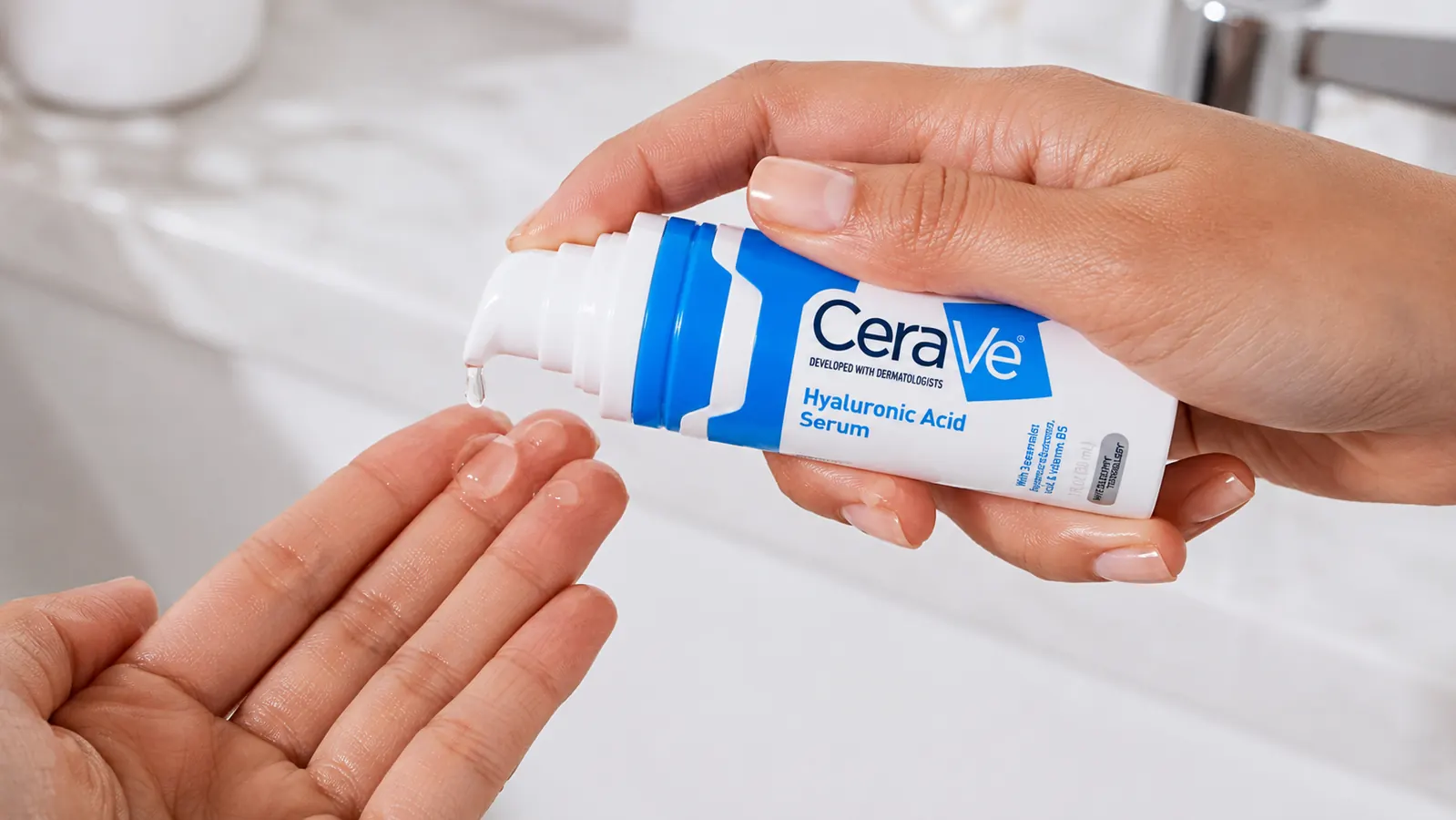
The CeraVe Hyaluronic Acid Serum with Vitamin B5 is a simple, unfragranced serum that sits in a dropper bottle and goes on before moisturizer. The formula combines three molecular weights of hyaluronic acid with panthenol (Vitamin B5), ceramides, and niacinamide. It has a 4.6-star rating from over 30,000 Amazon reviews, which is a large enough sample to mean something. The formula is fragrance-free, non-comedogenic, and developed with dermatologists. I used it twice daily for the first six weeks, then once daily in the morning for the remaining ten weeks as my skin stabilized.
The Quick Verdict
A reliable, well-formulated hydration serum that delivers on its promise for dry skin if you apply it correctly. Not a dramatic treatment, but a consistent one.
Amazon Check Today's Price →If your moisturizer is not keeping your skin comfortable, a hyaluronic acid serum applied to damp skin first is the step most people are missing.
The CeraVe Hyaluronic Acid Serum with Vitamin B5 is one of the most straightforward options available. Check current pricing on Amazon before you buy anything else.
Amazon Check Today's Price on Amazon →How I've Used It
My baseline skin: combination-dry with a tendency toward tightness through the cheeks and forehead. I live in Denver, Colorado, where the average relative humidity sits around 30 percent in winter and rarely climbs past 50 percent in summer. That matters a lot with hyaluronic acid serums, and I will come back to it.
My routine for the first six weeks was: gentle cream cleanser, pat face until just damp (not bone dry), dispense two to three drops of the CeraVe serum onto my palm, press it across cheeks, forehead, and chin, wait about 30 seconds, then apply moisturizer on top while the serum was still slightly tacky. I used it morning and night. At the eight-week mark I dropped to morning-only because I introduced a retinol at night and did not want to overcomplicate the routine.
One thing I got wrong in the first few weeks: I was applying the serum to a completely dry face. The tightness actually felt worse on those mornings. It took me a while to connect the dots. Hyaluronic acid pulls moisture from its environment. If your skin surface is dry and the air in your home is dry, it has nowhere to draw from except deeper skin layers. Applying to slightly damp skin, and then sealing immediately with moisturizer, made a noticeable difference within days of correcting my technique.
What the Formula Actually Contains
The three molecular weights of hyaluronic acid in this serum each do something slightly different. The largest molecules sit on top of the skin and help hold moisture at the surface. The medium-weight molecules penetrate a bit deeper into the outer layers. The smallest molecules reach further into the epidermis. The idea is that you get hydration at multiple levels rather than just at the surface. Whether you feel that difference day to day is genuinely hard to isolate, but the multi-weight approach is better supported by the research than single-weight HA serums.
Vitamin B5, or panthenol, works as a humectant and has a mild skin-barrier-supporting effect. It is a common addition to hyaluronic acid formulas because it enhances the water-binding effect. The ceramides in this serum are a small addition relative to something like the CeraVe Moisturizing Cream, but they contribute to keeping the barrier from degrading while you are working to hydrate. Niacinamide at a low concentration helps with redness and supports barrier integrity. None of these ingredients are there for marketing reasons. They are functional additions at appropriate concentrations.
The texture is slightly more gel-like than watery. It absorbs in under a minute on damp skin, leaves no film or stickiness when sealed with moisturizer, and has no scent that I can detect. The dropper dispenses a controlled amount, which is useful because you genuinely do not need more than two or three drops per application. Press it into the skin rather than rubbing; rubbing can pill the formula before it has a chance to absorb, especially if you have applied any other product first.
What Changed Over Four Months
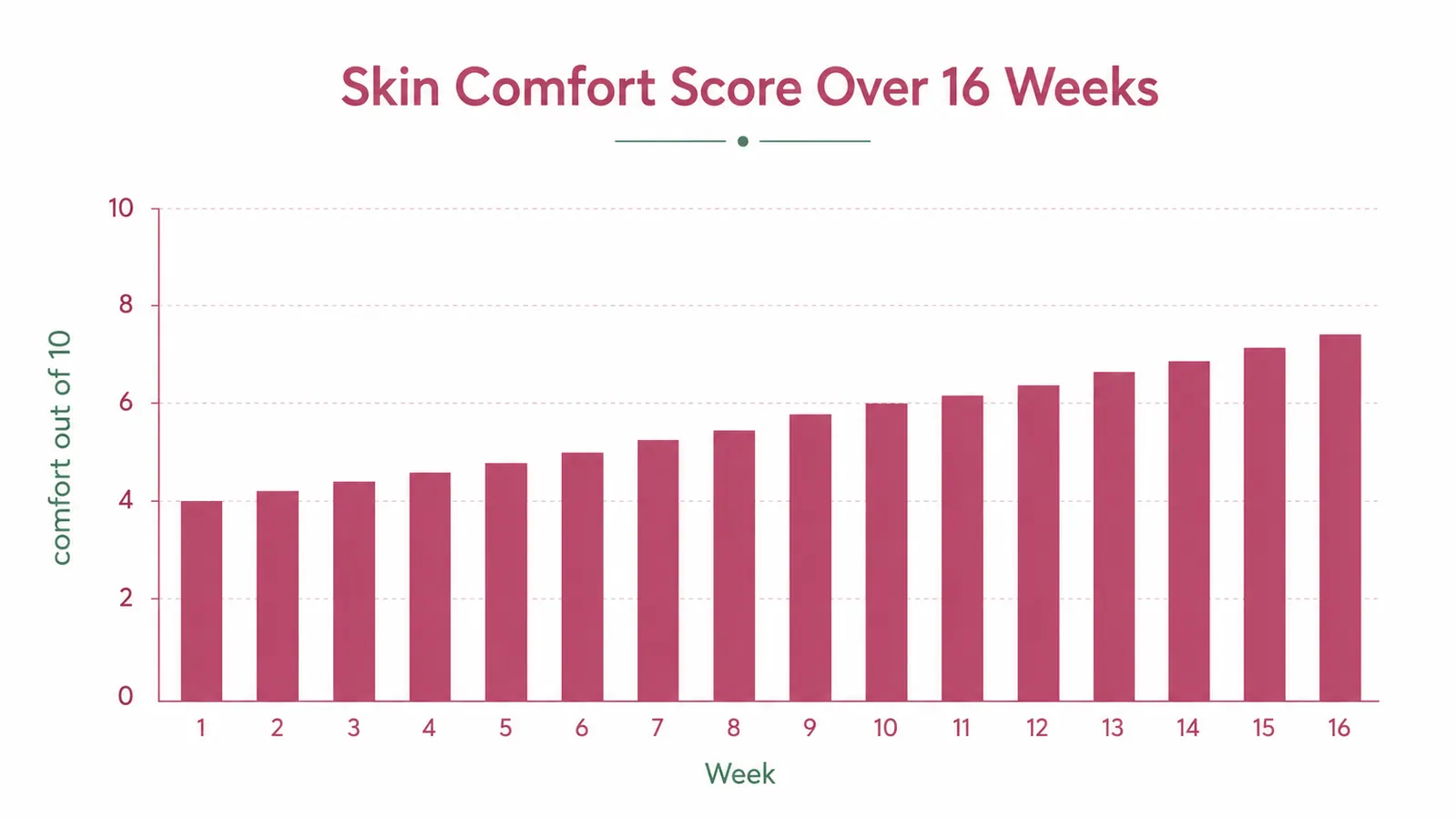
Weeks one through four: I noticed the tightness after washing was less severe by week two. Not gone, but reduced. I would put it at going from a 7-out-of-10 tightness after cleansing to about a 5. My moisturizer seemed to go on more smoothly, which I attributed to having a properly hydrated base layer underneath it.
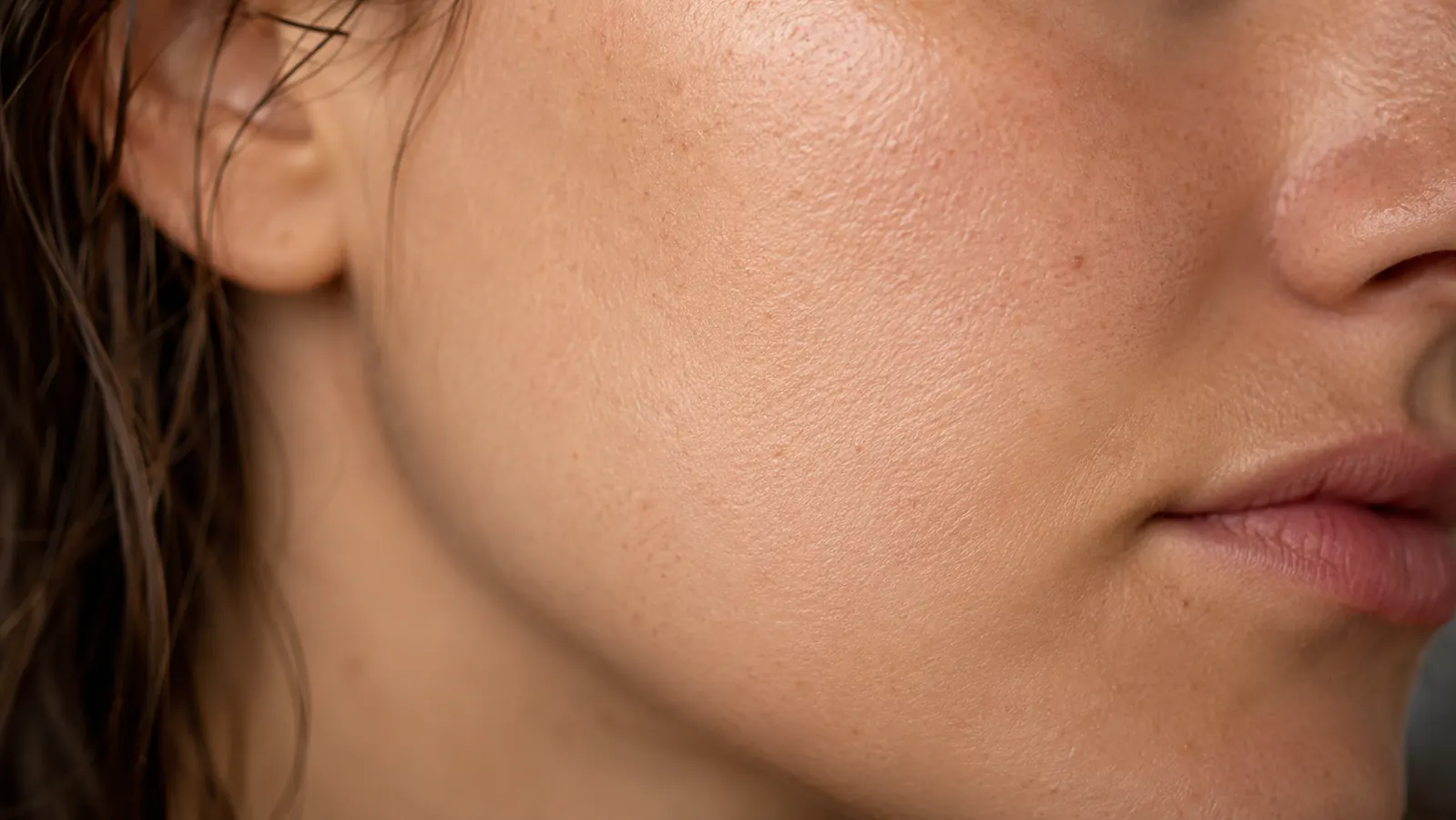
Month two: the improvement in daytime comfort was more consistent. I was not re-applying my moisturizer at midday the way I sometimes had to before. My skin felt settled rather than reactive. I want to be careful here not to overstate this. My skin did not look dramatically different in a mirror. What changed was the felt experience of my skin throughout the day, which for someone dealing with chronic dryness is actually significant.
Month three and four: with regular use, the serum became a backstop. On days I skipped it, my skin went back to feeling tighter by early afternoon. On days I used it correctly, including the damp-skin application, comfort held through most of the day without any mid-afternoon top-up. My forehead, which tends to show fine lines from dehydration more than the rest of my face, looked smoother in raking light. Not plumper in a clinical sense. Just less pinched-looking.
I also noticed the serum held up well through a three-day trip to Phoenix in March, where the air is notably drier than Denver. I used it twice daily during that stretch and applied my moisturizer immediately after, which prevented the reverse-moisture-pull effect I had experienced at the beginning. That trip confirmed for me that the technique matters as much as the product.
On days I skipped the serum, my skin went back to feeling tighter by early afternoon. On days I used it correctly, comfort held without any mid-afternoon top-up.
Where It Falls Short
This serum is not a treatment product. It will not address discoloration, texture from past breakouts, or any concern that requires an active ingredient like a retinoid or an acid. If you are expecting a brightening or resurfacing effect, you are looking at the wrong product. It is a hydration tool only.
The dry-climate issue is real. If you live in a low-humidity region and apply this serum to dry skin without sealing it quickly, it can feel counterproductive. This is not a flaw in the formula. It is how hyaluronic acid works. But it is worth knowing before you start, because the most common complaint I see in reviews is from people who live in dry climates and find the serum makes their skin feel tighter. Almost all of those reviews do not mention the damp-skin application step.
The bottle holds 1 fl oz (30 mL). Using it twice daily for six weeks and then once daily for ten weeks, I used just over one and a half bottles. The per-use cost is low, but if you are in a very dry climate and need a thicker or oil-based humectant layer, this serum alone may not be enough and you will want to layer it with a richer formula on top.
One minor packaging note: the dropper cap seals tightly, but the glass bottle feels lighter than I expected for the price point. It has never felt fragile, but if you are used to heavier glass packaging from other serums, this one will feel less substantial in your hand. That said, the product inside is what matters and the packaging protects it adequately.
How It Compares to Similar Serums
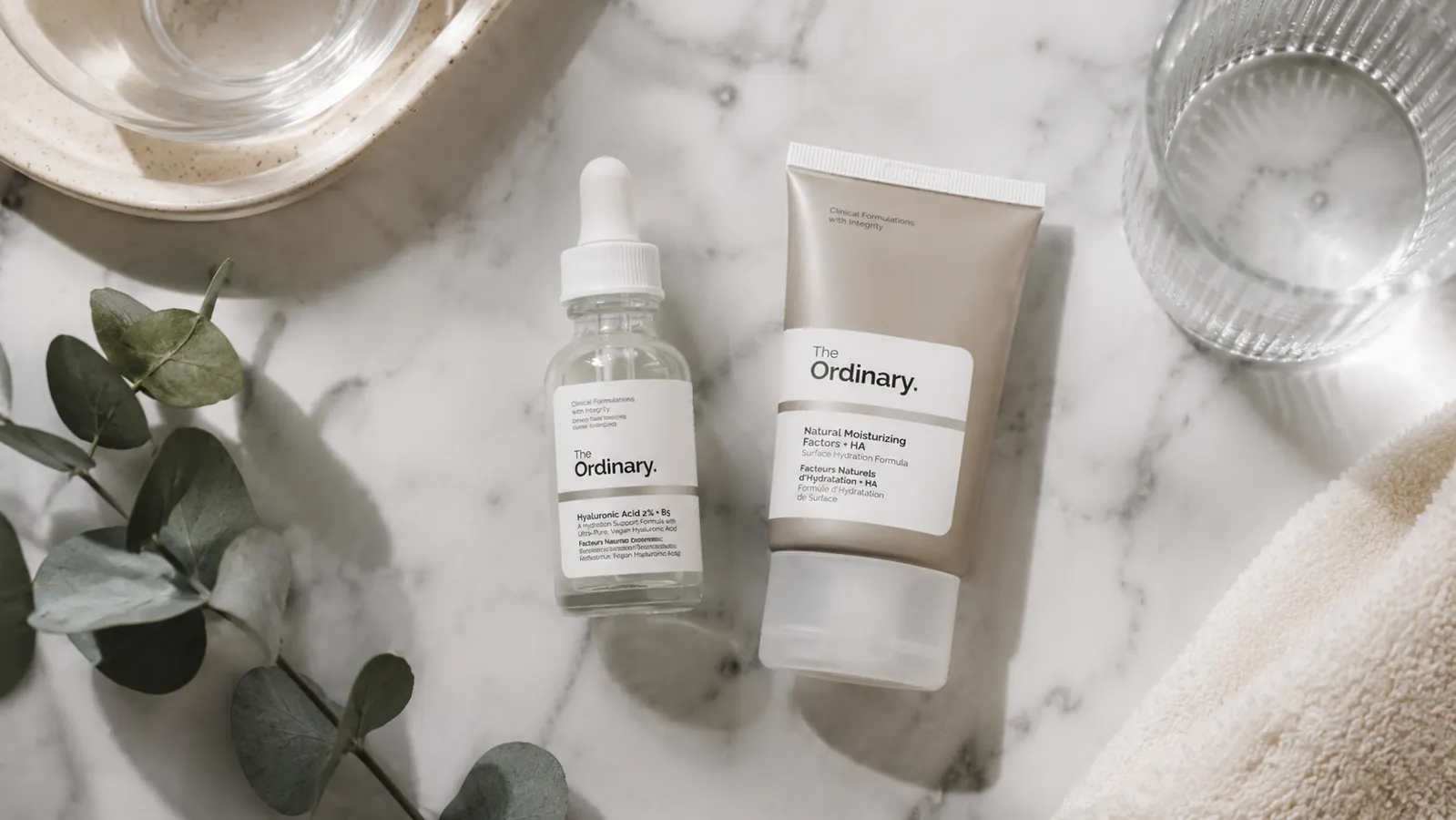
The most common comparison I get asked about is the CeraVe HA Serum versus The Ordinary Hyaluronic Acid 2% + B5. I have used both. The Ordinary is thinner, almost watery, and absorbs a little faster. The CeraVe is slightly more gel-like and feels a bit more cushioning on application. The Ordinary uses a higher stated concentration of HA but a single molecular weight. The CeraVe multi-weight formula feels more hydrating in practice, though both work. If you want a full side-by-side, I went deeper on that in a separate piece: the CeraVe HA Serum vs The Ordinary Hyaluronic Acid comparison.
Within the CeraVe line, this serum pairs well with the CeraVe Moisturizing Cream or the CeraVe Daily Moisturizing Lotion, both of which provide the occlusive seal that locks in what the serum delivers. That combination, serum on damp skin followed by a ceramide-rich moisturizer, is the routine most consistent with how CeraVe formulates these products to work together. If you want to understand why the layering order matters, the how-to piece I wrote on how to layer a hyaluronic acid serum covers it in detail.
What I Liked
- Multi-weight hyaluronic acid formula targets hydration at multiple skin depths
- Vitamin B5 and ceramides support barrier function alongside hydration
- Fragrance-free and non-comedogenic, suitable for sensitive and acne-prone skin
- Absorbs cleanly with no tacky film when followed by moisturizer
- Accessible price for the quality and size of the formula
- Developed with dermatologists and widely recommended by skincare professionals
Where It Falls Short
- Requires damp-skin application for best results, which is easy to get wrong
- No effect on discoloration, texture, or concerns requiring an active ingredient
- Small 1 oz bottle goes quickly if used twice daily
- Can feel counterproductive in very dry climates if applied without proper sealing
- Dropper bottle feels lighter than expected for the price point
Who This Is For
This serum is for anyone whose skin consistently feels tight, parched, or uncomfortable despite using a moisturizer. If your moisturizer sits on top of your skin without sinking in well, a hyaluronic acid serum applied first to damp skin gives it something to bond to. It is also a solid choice for people with sensitive or reactive skin who want to add a hydrating step without introducing fragrance, acids, or other potential irritants. The formula is gentle enough to use during a retinol ramp-up period when your skin barrier may be temporarily compromised and extra hydration supports recovery.
It works on all skin types, but the people who notice the biggest day-to-day difference are those with dry or dehydrated skin. Oily skin types may find the extra hydration layer useful in winter or in air-conditioned environments, but it tends to be less of a daily essential for them. If your skin is already comfortable and your current moisturizer is doing its job, adding this serum may not produce a noticeable change.
Who Should Skip It
If your main skin concerns are blemishes, pigmentation, fine lines from sun damage, or surface texture, this serum will not address any of those directly. You would be better served starting with a vitamin C serum for discoloration, a retinoid for texture and fine lines, or a niacinamide serum for oiliness and pores. You can add hyaluronic acid later as a supporting step, but it should not be your first investment if you have active concerns you are trying to treat.
If you live somewhere very humid, your skin may already be adequately hydrated without a dedicated serum. Not all skin types in all climates need this step. Run a two-week test: apply the serum to damp skin, seal it with your usual moisturizer, and note whether your skin comfort improves. If you notice no meaningful difference after two consistent weeks, your current routine is likely providing sufficient hydration on its own.
Four months in, I still apply this serum every morning. For dry, tight skin, it is the most cost-effective single addition I have made to my routine.
If you are dealing with persistent skin tightness and have not tried a dedicated hyaluronic acid serum, this is the one I would start with. Check current pricing on Amazon.
Amazon Check Today's Price on Amazon →